What causes it?
Alcohol-Related Liver Disease is another common form of liver disease in North America.
As the name implies, this disease results from excessive alcohol intake, which becomes toxic to the liver causing it injury. This can happen slowly over time or very fast in cases of prolonged binge drinking.
Generally, the relatively safe thresholds are:
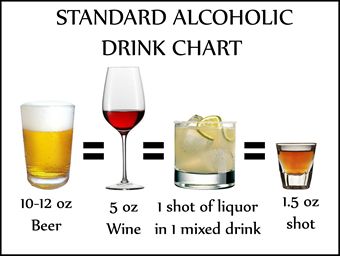
Source: Grand Forks Air Force Base
How do we diagnose it?
We usually suspect alcohol-related liver disease when there's a history of long-term, heavy alcohol use, combined with signs that the liver is injured. This includes abnormal liver tests and other lab results that suggest alcohol is affecting the body and when these signs can't be explained by another condition.
How can it be treated?
For people with liver disease from long-term alcohol use, the key to treatment is reducing or stopping alcohol completely. But alcohol misuse is complex, and stopping isn't always easy. That's why we emphasize support, including counseling, medications, and community programs, to help people make changes that last. When alcohol is removed, the liver often has a chance to heal.
What about alcoholic hepatitis?
Alcoholic hepatitis is the most serious form of liver injury occurring after a period of heavy or binge drinking. People often become very sick and need to be treated in the hospital with things like steroids, nutrition, and close monitoring. After recovery, quitting alcohol completely is strongly recommended to prevent further damage.
How can we prevent it?
The only effective way to 100% guarantee that you're protecting yourself from Alcohol-Related Liver Disease is to abstain from alcohol.
However, in cases where that's not possible, trying to decrease alcohol use to less than the safe threshold (≤ 2 drinks per day for men and ≤ 1 drink for women) is the best option. As we discussed above, there are ways to help people who are struggling with decreasing their alcohol use, through medications augmented by counselling.